
I used to get completely lost whenever I tried to decorate my house. Every shopping trip ended the same way. I would walk into a shop, grab things that looked nice in the moment, bring them home, and then realise they did not fit. Sometimes I bought too much. Sometimes I bought items that looked cheap and out of place. The rooms never felt complete. They felt messy or empty or just wrong. That cycle repeated for a long time until I started following a simple approach that people call decoration tips decoradhouse from decoratoradvice.
Once I applied it, things finally started making sense. The change did not happen overnight. I still made small mistakes at the beginning, but the overall direction became clear. I stopped buying on impulse. I started thinking first. That single shift saved me money, time, and a lot of frustration. Today my home feels comfortable and personal instead of forced or expensive. In this article I share exactly what I did, step by step, so you can see how these simple ideas worked in real life.
I Learned to Plan Before I Shop
The first thing I changed was my shopping habit. Earlier I used to go to the market with only a vague idea. I would see a cushion or a lamp and buy it because it looked pretty. Later I would discover that the colour clashed with the wall or the size was wrong for the corner. After I started using decoration tips decoradhouse from decoratoradvice, I forced myself to plan first.
I took a measuring tape and measured every room. I noted the length and width. I checked where the windows and doors sat. I also decided the main purpose of each room. Is this space for sitting and talking? Is it for sleeping and resting? Is it for working? Once I had those answers, shopping became easier. I knew what size of furniture could fit. I knew which colours would work with the natural light coming from the windows. I stopped wasting money on things that looked good in the shop but failed at home.
This planning step still takes me only twenty or thirty minutes, yet it saves me from hours of regret later. Now when I walk into a store I already carry a clear picture in my mind. I know what I need and what I can ignore. That clarity is the real starting point of any good decoration.
I Follow the 60-30-10 Colour Rule Every Time
Colour used to confuse me the most. I would pick bright walls, then add more bright furniture, and the room would feel loud and restless. Or I would choose only soft colours and the space would look dull. Then I discovered the 60-30-10 rule through decoration tips decoradhouse from decoratoradvice and it solved the problem.
I keep sixty percent of the room in one soft base colour. That means the walls and the big pieces of furniture stay in that calm shade. Next I use thirty percent for a second shade. This appears on curtains, the sofa fabric, or the chairs. Finally I add ten percent as a bold accent. That small part shows up on cushions, a vase, or one painting. The mix keeps the room balanced. It never feels too quiet and it never feels chaotic.
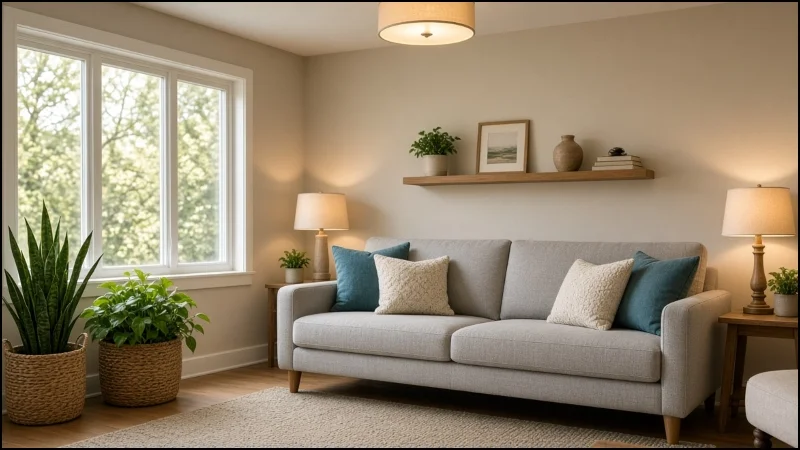
When I first tried this rule, I chose a light beige for the walls and the main sofa. Then I added soft grey curtains and a matching armchair. For the accent I picked deep teal cushions and one simple painting with the same teal. The room suddenly looked pulled together. Visitors started noticing the calm feeling instead of pointing out mismatched items. I still use the same rule in every room because it works without fail.
I Switched to Layered Lighting
Lighting was another area where I used to make the same mistake. I depended on one strong ceiling light. The room looked flat. Shadows sat in the corners and the space felt cold in the evenings. After I followed decoration tips decoradhouse from decoratoradvice, I started using three layers of light.
The first layer is the main ceiling light. It gives overall brightness when I need it. The second layer is a reading lamp or table lamp near the sofa or bed. It gives focused light for books or late-night talks. The third layer is soft accent light in the corners. I use small LED strips or floor lamps that create a gentle glow. The difference is clear the moment I switch them on. The room feels warmer and more inviting. Guests often say the space looks larger and more comfortable even though I did not change the furniture.
I keep the lights on separate switches so I can control the mood. On busy mornings I use only the main light. In the evening I turn on the lamps and the soft corner lights. That simple control makes the same room feel different at different times of the day.
I Chose the Right Rug Size
Rugs used to frustrate me. I bought small ones because they cost less. Then I placed them in the middle of the room and the furniture looked scattered. The sofa sat on one side, the chairs on another, and the rug floated alone. The whole arrangement felt disconnected.
Once I understood the advice from decoration tips decoradhouse from decoratoradvice, I changed my approach. Now I choose a rug large enough so that the front legs of the sofa and chairs rest on it. The rug becomes the base that ties everything together. The room suddenly looks united instead of broken into separate pieces.
In my living room I measured the seating area first. Then I picked a rug that extended a little beyond the front legs of all the seats. The moment I placed it, the space felt calmer and more organised. Even the empty floor around the edges looked intentional. A correctly sized rug does more work than most people realise.
I Added Easy Plants for Life
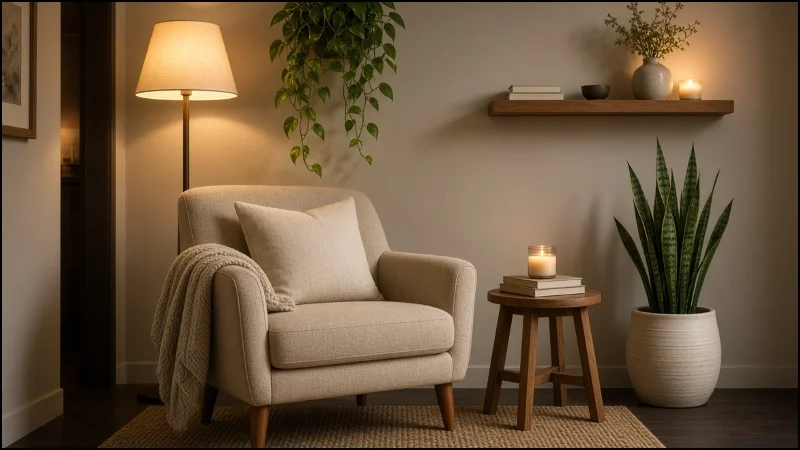
Empty corners used to bother me. They made the rooms feel unfinished. I did not want high-maintenance plants that need daily care, so I chose simple ones. Snake plant, pothos, and money plant became my regular choices. I place them in the corners or near the windows.
These plants need very little water and almost no special attention. Yet they change the feeling of the room. The space starts looking alive. The green colour softens the hard lines of furniture and walls. Guests often comment on the fresh look even though the plants are common and inexpensive.
I keep the pots simple so they do not fight with the rest of the décor. A plain ceramic or terracotta pot is enough. The plant itself does the work. This small addition costs little and gives a big return in comfort.
I Make Small Budget Changes That Matter
Money was always a concern. I never wanted to spend a large amount just to make the house look better. Through decoration tips decoradhouse from decoratoradvice I learned that big results can come from small actions.
I paint old furniture instead of buying new pieces. A fresh coat of paint can make a tired cabinet look new again. I change the cushion covers on the sofa. New colours or patterns refresh the whole seating area without buying a new sofa. I install floating shelves on empty walls. They give storage and display space while adding visual interest.
These small steps cost far less than a full makeover. Yet each one shifts the mood of the room. Over a few months the house starts feeling different. It feels more cared for and more personal. I never feel the pressure to finish everything at once. I simply pick one small change, complete it, and move to the next when I am ready.
What I Learned From My Own Experience
Looking back, the biggest lesson is simple. Overthinking creates more problems than it solves. When I tried to make every decision perfect, I froze and bought nothing useful. When I followed a clear and practical path, progress came naturally.
Decoration tips decoradhouse from decoratoradvice gave me that path. It did not ask me to spend a fortune. It did not demand professional skills. It only asked me to measure, to plan, to choose colours with a simple ratio, to layer the lights, to pick the right rug size, to add a few easy plants, and to make small budget updates over time.
My Ending Point for My House
My house today does not look like a magazine page. It looks like a place where real people live. The rooms feel comfortable. The colours sit well together. The lighting changes with the time of day. The furniture feels connected. Guests relax when they sit down. That is the result I wanted from the beginning.
If you feel the same confusion I once felt, start with one room. Measure it. Decide its purpose. Choose a soft base colour and follow the sixty thirty ten balance. Add layered lighting. Place a properly sized rug. Put one or two low maintenance plants in the corners. Make one small budget change. Then stop and look at the difference.
You do not need to finish the whole house in a week. Slow and steady changes create a home that feels like your own. That is exactly what happened for me once I stopped guessing and started following these clear steps.
Disclaimer
These tips are based only on my personal experience and general knowledge. Every home has a different layout,budget, and style, so results may vary. I am not a professional interior designer I’m simply sharing what worked for me. Before making any major changes, think carefully according to your own needs or consult an expert.